In my clinical experience, one of the most misunderstood aspects of complex upper-extremity pain is the assumption that symptoms must come from a single diagnosis. Many individuals are told they have one condition—Thoracic Outlet Syndrome, carpal tunnel syndrome, or a cervical disc issue—yet their symptoms continue to migrate, fluctuate, or persist despite focused treatment.
In real clinical practice, pain, numbness, weakness, and tingling frequently arise from multiple compression points acting together, not from one isolated problem. When this reality is overlooked, both diagnosis and treatment fall short.
Nerves do not function in isolation. A single nerve travels a long anatomical course, passing through several regions where compression can occur. Stress at one point reduces the nerve’s tolerance everywhere else along its path.
At the neck, elevated muscle tone, postural overload, and chronic guarding can narrow the space between the scalene muscles. This reduces room for neural and vascular structures before the nerve even reaches the shoulder. When the brachial plexus is already stressed at this level, its ability to tolerate additional compression downstream is significantly reduced.
In the shoulder region, faulty mechanics, sustained elevation, or excessive tension can further compromise nerve movement. This may produce pain, weakness, or sensory changes that seem inconsistent or unpredictable. Symptoms may vary with posture, arm position, or fatigue, confusing both patients and clinicians.
Further down the arm, repetitive strain and muscular tightness commonly lead to median nerve entrapment in the forearm. The same nerve may then be compressed again at the wrist within the carpal tunnel. Each compression adds stress to an already sensitized system.
When a single nerve is compressed at two locations, this is known as double crush syndrome. When three compression points exist, it becomes triple crush syndrome. Clinically, the pattern often extends even further.
In practice, it is common to see quadruple or even quintuple crush patterns, where compression occurs at the neck, shoulder, upper arm, forearm, and wrist simultaneously. These layered choke points combine into one confusing symptom picture.
This explains why imaging often appears “normal.” A scan may show mild findings at one site that seem insufficient to explain severe symptoms. However, imaging rarely captures the cumulative effect of multiple mild compressions acting together.
It also explains why isolated treatments fail. Treating one compression while ignoring others leaves the nervous system overloaded. The nerve remains irritated because upstream stress was never reduced.
Patients are often told their symptoms are unexplained because they do not match a textbook pattern. In reality, the pattern is simply more complex than a single diagnosis allows.
Posture, repetitive strain, and inflammation do not act independently. They interact across regions. Forward head posture increases scalene tone, which reduces nerve tolerance at the neck. Shoulder tension alters nerve glide. Forearm overuse adds another layer of restriction.
As compression accumulates, the nervous system adapts. Many individuals develop secondary changes that further complicate diagnosis. Ongoing compression alters how sensory signals are processed.
This can lead to central sensitization, where normal sensations are perceived as painful or threatening. Light pressure, mild activity, or even rest may provoke symptoms that feel disproportionate.
Patients may describe weakness, clumsiness, temperature changes, or rapid fatigue that worsens with use. From a functional standpoint, this reflects impaired nerve gliding. The nerve loses its ability to move freely through surrounding tissues.
Instead of a single injured site, the system behaves like a stressed cable being pinched at multiple points. Releasing one pinch does not restore function if the others remain.
Understanding this model helps explain why symptoms migrate. One day the wrist dominates. Another day the shoulder. Another day the neck. The underlying issue is cumulative nerve stress, not a changing disease.
At Team Doctors®, evaluation focuses on identifying how multiple nerve compressions, muscular guarding, and inflammatory patterns interact across the entire upper quarter. This broader view explains why symptoms worsen with activities that seem unrelated.
It also clarifies why relief requires addressing the system rather than chasing one diagnosis after another.
This approach is not about assigning more labels. It is about understanding mechanism. When the full compression pattern is recognized, the clinical picture finally makes sense.
Patients often experience relief simply from understanding why previous treatments failed. Their symptoms were not random, exaggerated, or psychological. They were cumulative.
Recognizing multi-site nerve compression also reframes expectations. Progress often requires addressing posture, load, muscle tone, and inflammation across regions—not just one anatomical site.
Long-standing symptoms rarely come from a single choke point. They come from interaction.
When clinicians and patients understand this layered process, treatment decisions become clearer, frustration decreases, and the path forward becomes logical rather than confusing.
Understanding the system—not just the site—is what ultimately brings coherence to complex upper-extremity pain patterns.
Team Doctors Resources
✓ Check out the Team Doctors Recovery Tools
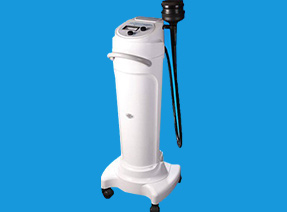
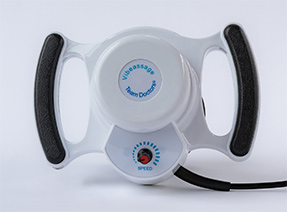
The Vibeassage Sport and the Vibeassage Pro featuring the TDX3 soft-as-the-hand Biomimetic Applicator Pad
https://www.teamdoctors.com/
✓ Get Dr. Stoxen’s #1 International Bestselling Books
Learn how to understand, examine, and reverse your TOS—without surgery.
https://drstoxen.com/1-international-best-selling-author/
✓ Check out Team Doctors Online Courses
Step-by-step video lessons, demonstrations, and self-treatment strategies.
https://teamdoctorsacademy.com/
✓ Schedule a Free Phone Consultation With Dr. Stoxen
Speak directly with him so he can review your case and guide you on your next steps.
https://drstoxen.com/appointment/
#ThoracicOutletSyndrome #DoubleCrushSyndrome #TripleCrush #UpperExtremityPain #NerveCompression #BrachialPlexus #CarpalTunnelMimic #ChronicPainPatterns #WhatMimicsTOS #Biomechanics #PostureMechanics #NerveEntrapment #CentralSensitization #PainEducation #ClinicalPatterns #TOSAwareness #NeckAndArmPain #MovementHealth #PatientEducation #ComplexPain
References
- Upton, A. R. M., and A. J. McComas. “The Double Crush in Nerve Entrapment Syndromes.” The Lancet 302, no. 7825 (1973): 359–362.
- Osterman, A. L. “The Double Crush Syndrome.” Orthopedic Clinics of North America 19, no. 1 (1988): 147–155.
- Sanders, Richard J., and Neal S. Pearce. “Neurogenic Thoracic Outlet Syndrome.” Journal of Vascular Surgery 36, no. 3 (2002): 669–676.
- Roos, D. B. “Thoracic Outlet Syndrome Is Underdiagnosed.” Muscle & Nerve 22, no. 1 (1999): 126–129.

Dr James Stoxen DC., FSSEMM (hon) He is the president of Team Doctors®, Treatment and Training Center Chicago, one of the most recognized treatment centers in the world.
Dr Stoxen is a #1 International Bestselling Author of the book, The Human Spring Approach to Thoracic Outlet Syndrome. He has lectured at more than 20 medical conferences on his Human Spring Approach to Thoracic Outlet Syndrome and asked to publish his research on this approach to treating thoracic outlet syndrome in over 30 peer review medical journals.
He has been asked to submit his other research on the human spring approach to treatment, training and prevention in over 150 peer review medical journals. He serves as the Editor-in-Chief, Journal of Orthopedic Science and Research, Executive Editor or the Journal of Trauma and Acute Care, Chief Editor, Advances in Orthopedics and Sports Medicine Journal and editorial board for over 35 peer review medical journals.
He is a much sought-after speaker. He has given over 1000 live presentations and lectured at over 70 medical conferences to over 50,000 doctors in more than 20 countries. He has been invited to speak at over 300 medical conferences which includes invitations as the keynote speaker at over 50 medical conferences.
After his groundbreaking lecture on the Integrated Spring-Mass Model at the World Congress of Sports and Exercise Medicine he was presented with an Honorary Fellowship Award by a member of the royal family, the Sultan of Pahang, for his distinguished research and contributions to the advancement of Sports and Exercise Medicine on an International level. He was inducted into the National Fitness Hall of Fame in 2008 and the Personal Trainers Hall of Fame in 2012.
Dr Stoxen has a big reputation in the entertainment industry working as a doctor for over 150 tours of elite entertainers, caring for over 1000 top celebrity entertainers and their handlers. Anthony Field or the popular children’s entertainment group, The Wiggles, wrote a book, How I Got My Wiggle Back detailing his struggles with chronic pain and clinical depression he struggled with for years. Dr Stoxen is proud to be able to assist him.
Full Bio) Dr Stoxen can be reached directly at teamdoctors@aol.com