Most people are unaware that every time they lift a cell phone, they activate the pectoralis minor muscle. This small but powerful muscle plays a central role in stabilizing the shoulder during forward arm tasks.
With repeated phone use, typing, or prolonged reaching, the pectoralis minor remains contracted for extended periods. Over time, this leads to muscle fatigue and inflammation, altering normal tissue behavior.
Once inflammation develops, the muscle may begin to contract involuntarily. This creates sustained tension rather than brief, recoverable activation seen during exercise.
When this occurs alongside scalene muscle spasm, the mechanical environment of the thoracic outlet changes dramatically. Multiple muscles begin pulling in opposing directions.
At the same time, chronic activation of the subclavius muscle, coracobrachialis, and biceps short head further destabilizes the shoulder and chest complex.
The biceps short head is heavily involved in holding objects close to the body. During phone use, this muscle remains continuously active, contributing to sustained shoulder depression.
The coracobrachialis reinforces this position by holding the arm tightly against the torso, similar to carrying an object under the arm. This creates constant inward and downward force.
Meanwhile, the pectoralis minor attaches to ribs three, four, and five and becomes highly active with shoulder flexion. Activities such as typing, hairstyling, dentistry, carpentry, and prolonged computer work all reinforce this pattern.
Patients are often told to focus on the interscalene triangle, where the scalene muscles and first rib interact. While this space is important, it represents only one component of a larger system.
In clinical observation, the pectoralis minor can elevate the entire rib cage elevation into the thoracic outlet, not just the first rib. This distinction is critical.
Most vascular surgeons consider first rib elevation and scalene spasm to be the primary drivers of compression. However, this view overlooks the role of chest muscles acting from below.
The pectoralis minor can lift the rib cage upward while simultaneously pulling the shoulder downward. This creates dual-direction compression across the outlet.
This mechanism explains why many surgical procedures fail to resolve symptoms. Removing a single rib does not address upward rib cage force generated by chest muscles.
Even when surgeons perform a pectoralis minor tenotomy, other muscles remain active. The coracobrachialis, subclavius, and biceps short head can still depress the shoulder.
This ongoing shoulder depression narrows the space for the subclavian vein compression, maintaining vascular restriction despite surgical intervention.
Patients may experience arm swelling, discoloration, coldness, or changes in grip strength. These symptoms reflect continued mechanical compression rather than surgical error.
When the rib cage rises into the outlet, the T1 nerve root compression may occur at the base of the neck. This commonly produces tingling in the ring and pinky fingers.
These sensations are often labeled as neurogenic Thoracic Outlet Syndrome, yet they stem from global muscle-driven distortion rather than a single structure.
This pattern reflects a twisted upper body spring system shaped by chronic guarding, inflammation, and sustained muscle tension.
To illustrate this interaction, I commissioned a detailed anatomical diagram showing how rib elevation and shoulder depression occur simultaneously.
This illustration has been published in medical journals by vascular surgeons in Italy and the United States. They recognize the accuracy of this model because it reflects real anatomical behavior.
The rib cage elevates like a platform, while the shoulder depresses like a lever. Together, these forces collapse the tunnel where nerves and vessels pass.
Surgery removes structures but does not reverse decades of muscle guarding patterns. Without restoring balance, compression forces often persist.
Many individuals pursue surgery believing it will eliminate chronic pain. However, the procedure was originally designed for emergency clot conditions, not long-standing muscular compression.
When the rib cage remains elevated and the shoulder remains depressed, surgery cannot correct the underlying mechanics.
Understanding that thoracic outlet compression is driven by severe muscle tension helps explain why symptoms persist.
Education clarifies that chronic TOS pain reflects a system-wide mechanical problem involving circulation, nerves, and posture.
Recognizing this model allows individuals to understand why restoring balance across the entire upper body spring system is essential for meaningful symptom change.
Team Doctors Resources
✓ Check out the Team Doctors Recovery Tools
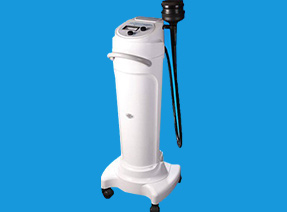
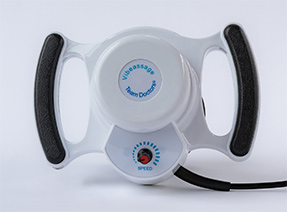
The Vibeassage Sport and the Vibeassage Pro featuring the TDX3 soft-as-the-hand Biomimetic Applicator Pad
https://www.teamdoctors.com/
✓ Get Dr. Stoxen’s #1 International Bestselling Books
Learn how to understand, examine, and reverse your TOS—without surgery.
https://drstoxen.com/1-international-best-selling-author/
✓ Check out Team Doctors Online Courses
Step-by-step video lessons, demonstrations, and self-treatment strategies.
https://teamdoctorsacademy.com/
✓ Schedule a Free Phone Consultation With Dr. Stoxen
Speak directly with him so he can review your case and guide you on your next steps.
https://drstoxen.com/appointment/
#ThoracicOutletSyndrome #PectoralisMinor #FailedTOSSurgery #TOSCauses #NeurogenicTOS #VascularTOS #ShoulderDepression #RibCageElevation #MuscleGuarding #ChronicCompression #SubclavianVein #UpperBodyBiomechanics #PainEducation #PostureMechanics #ChronicPainPatterns #BrachialPlexus #MuscleTension #TOSAwareness #MovementScience #AnatomyEducation
References
- Sanders, Richard J., and Neal S. Pearce. “Neurogenic Thoracic Outlet Syndrome.” Journal of Vascular Surgery 36, no. 3 (2002): 669–676.
- Roos, D. B. “Thoracic Outlet Syndrome Is Underdiagnosed.” Muscle & Nerve 22, no. 1 (1999): 126–129.
- Urschel, Harold C., and R. B. Razzuk. “The Neurovascular Compression Syndromes of the Thoracic Outlet.” Annals of Thoracic Surgery 50, no. 3 (1990): 484–490.

Dr James Stoxen DC., FSSEMM (hon) He is the president of Team Doctors®, Treatment and Training Center Chicago, one of the most recognized treatment centers in the world.
Dr Stoxen is a #1 International Bestselling Author of the book, The Human Spring Approach to Thoracic Outlet Syndrome. He has lectured at more than 20 medical conferences on his Human Spring Approach to Thoracic Outlet Syndrome and asked to publish his research on this approach to treating thoracic outlet syndrome in over 30 peer review medical journals.
He has been asked to submit his other research on the human spring approach to treatment, training and prevention in over 150 peer review medical journals. He serves as the Editor-in-Chief, Journal of Orthopedic Science and Research, Executive Editor or the Journal of Trauma and Acute Care, Chief Editor, Advances in Orthopedics and Sports Medicine Journal and editorial board for over 35 peer review medical journals.
He is a much sought-after speaker. He has given over 1000 live presentations and lectured at over 70 medical conferences to over 50,000 doctors in more than 20 countries. He has been invited to speak at over 300 medical conferences which includes invitations as the keynote speaker at over 50 medical conferences.
After his groundbreaking lecture on the Integrated Spring-Mass Model at the World Congress of Sports and Exercise Medicine he was presented with an Honorary Fellowship Award by a member of the royal family, the Sultan of Pahang, for his distinguished research and contributions to the advancement of Sports and Exercise Medicine on an International level. He was inducted into the National Fitness Hall of Fame in 2008 and the Personal Trainers Hall of Fame in 2012.
Dr Stoxen has a big reputation in the entertainment industry working as a doctor for over 150 tours of elite entertainers, caring for over 1000 top celebrity entertainers and their handlers. Anthony Field or the popular children’s entertainment group, The Wiggles, wrote a book, How I Got My Wiggle Back detailing his struggles with chronic pain and clinical depression he struggled with for years. Dr Stoxen is proud to be able to assist him.
Full Bio) Dr Stoxen can be reached directly at teamdoctors@aol.com