Many individuals searching for answers to chronic upper body pain eventually turn to online education. In my clinical experience, people often arrive after watching lectures, testimonials, and patient stories that closely mirror their own frustrations.
They describe years of appointments, imaging, and opinions that never fully explain their symptoms. When an evaluation finally presents a coherent explanation, it often feels like the first time everything connects.
A pattern I commonly see is individuals who believe they have Thoracic Outlet Syndrome symptoms, only to discover that their primary issue is extensive muscular spasm rather than true outlet compression.
These cases often involve severe muscle guarding patterns across the chest, shoulder, and upper arm. The pain can feel intense, unpredictable, and alarming, leading people to assume a vascular or nerve disorder.
One of the most frequently involved structures is the short head of the biceps muscle. This muscle crosses the shoulder and chest and can tighten against the rib cage, producing sharp shoulder pain and chest discomfort.
When the short head of the biceps becomes hypertonic, individuals may experience stabbing shoulder pain, difficulty taking a full breath, or chest tightness that mimics cardiac or vascular concerns.
Another major contributor is the pectoralis minor overuse seen in people who spend long hours at computers or holding mobile devices. This muscle is heavily involved in stabilizing the shoulder during forward-reaching tasks.
Over time, repetitive activation leads to muscle fiber fatigue. A fatigued muscle is more vulnerable to micro-injury, which initiates a localized inflammatory response within the tissue.
As inflammation builds, inflammatory nerve signaling alerts the nervous system that the area is under threat. This signal is not subtle; it is designed to protect the body from further injury.
In response, the spinal cord initiates the splinting guarding reflex. Surrounding muscles contract automatically to stabilize the region, even though no conscious control is involved.
The longer this reflex remains active, the more widespread the contraction becomes. Adjacent muscles fatigue, inflammation spreads, and additional nerve signals reinforce the reflex loop.
This process creates a self-perpetuating pain cycle. Individuals often describe tension that begins in one area and gradually spreads across the shoulder, neck, and upper arm.
As muscle tone increases, structural alignment can change. The shoulder may be pulled downward and forward, creating shoulder depression mechanics that narrow spaces near the thoracic outlet.
This positional change can reduce clearance for nerves and vessels, producing symptoms that closely resemble brachial plexus irritation or vascular compromise.
Some individuals report hand temperature changes, subtle grip weakness, or a sense of heaviness in the arm. Others notice tingling, numbness, or shooting pain that disrupts sleep.
These symptoms can escalate without any obvious injury. Because the pattern is driven by reflexive muscle activity, it often goes unnoticed during routine examinations.
Importantly, this does not mean symptoms are imagined. The nervous system is responding to real tissue irritation and mechanical stress, even if imaging appears normal.
Chronic inflammation also affects emotional and cognitive health. Many individuals describe fatigue and mood changes, increased irritability, or difficulty concentrating at work.
Sleep disruption is common. Pain-related arousal prevents restorative rest, which further reduces tissue recovery and increases sensitivity to discomfort.
Over time, individuals may feel overwhelmed by the unpredictability of symptoms. Daily activities become difficult when the body remains locked in a protective state.
Understanding this mechanism provides clarity. The symptoms are not random, and they are not psychological in origin.
They represent a powerful interaction between tissue irritation, reflexive muscle contraction, and positional change that can convincingly mimic thoracic outlet problems.
Recognizing muscle-driven pain patterns allows individuals to understand why previous evaluations failed to match their experience.
Education often becomes the turning point. Once the true source of spasm and inflammation is identified, the pattern finally makes sense.
Clarity helps people regain a sense of control. When symptoms are understood as a mechanical and neurological loop, the fear surrounding them often diminishes.
For many, this insight explains months or years of confusion and frustration. Understanding precedes meaningful change and marks the first step toward breaking long-standing pain cycles.
Team Doctors Resources
✓ Check out the Team Doctors Recovery Tools
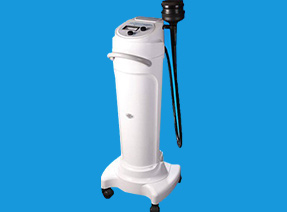
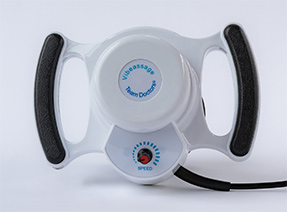
The Vibeassage Sport and the Vibeassage Pro featuring the TDX3 soft-as-the-hand Biomimetic Applicator Pad
https://www.teamdoctors.com/
✓ Get Dr. Stoxen’s #1 International Bestselling Books
Learn how to understand, examine, and reverse your TOS—without surgery.
https://drstoxen.com/1-international-best-selling-author/
✓ Check out Team Doctors Online Courses
Step-by-step video lessons, demonstrations, and self-treatment strategies.
https://teamdoctorsacademy.com/
✓ Schedule a Free Phone Consultation With Dr. Stoxen
Speak directly with him so he can review your case and guide you on your next steps.
https://drstoxen.com/appointment/
#ThoracicOutletSyndrome #ChronicPainEducation #MuscleGuarding #PainMechanisms #ShoulderPain #NeckAndArmPain #InflammationCycle #PostureStress #UpperBodyPain #NerveIrritation #PainScience #Biomechanics #ChronicTension #PainAwareness #MisdiagnosedPain #MovementHealth #ErgonomicStress #PainPatterns #MuscleSpasm #HealthEducation
References
- Roos, D. B. “Thoracic Outlet Syndrome Is Underdiagnosed.” Muscle & Nerve 22, no. 1 (1999): 126–129.
- Sanders, Richard J., and Neal S. Pearce. “Neurogenic Thoracic Outlet Syndrome.” Journal of Vascular Surgery 36, no. 3 (2002): 669–676.
- Urschel, Harold C., and R. B. Razzuk. “The Neurovascular Compression Syndromes of the Thoracic Outlet.” Annals of Thoracic Surgery 50, no. 3 (1990): 484–490.

Dr James Stoxen DC., FSSEMM (hon) He is the president of Team Doctors®, Treatment and Training Center Chicago, one of the most recognized treatment centers in the world.
Dr Stoxen is a #1 International Bestselling Author of the book, The Human Spring Approach to Thoracic Outlet Syndrome. He has lectured at more than 20 medical conferences on his Human Spring Approach to Thoracic Outlet Syndrome and asked to publish his research on this approach to treating thoracic outlet syndrome in over 30 peer review medical journals.
He has been asked to submit his other research on the human spring approach to treatment, training and prevention in over 150 peer review medical journals. He serves as the Editor-in-Chief, Journal of Orthopedic Science and Research, Executive Editor or the Journal of Trauma and Acute Care, Chief Editor, Advances in Orthopedics and Sports Medicine Journal and editorial board for over 35 peer review medical journals.
He is a much sought-after speaker. He has given over 1000 live presentations and lectured at over 70 medical conferences to over 50,000 doctors in more than 20 countries. He has been invited to speak at over 300 medical conferences which includes invitations as the keynote speaker at over 50 medical conferences.
After his groundbreaking lecture on the Integrated Spring-Mass Model at the World Congress of Sports and Exercise Medicine he was presented with an Honorary Fellowship Award by a member of the royal family, the Sultan of Pahang, for his distinguished research and contributions to the advancement of Sports and Exercise Medicine on an International level. He was inducted into the National Fitness Hall of Fame in 2008 and the Personal Trainers Hall of Fame in 2012.
Dr Stoxen has a big reputation in the entertainment industry working as a doctor for over 150 tours of elite entertainers, caring for over 1000 top celebrity entertainers and their handlers. Anthony Field or the popular children’s entertainment group, The Wiggles, wrote a book, How I Got My Wiggle Back detailing his struggles with chronic pain and clinical depression he struggled with for years. Dr Stoxen is proud to be able to assist him.
Full Bio) Dr Stoxen can be reached directly at teamdoctors@aol.com