What TOS Surgery “Success Rates” Actually Mean for Patients
When patients hear that Thoracic Outlet Syndrome surgery carries a 90% success rate, most assume this means nine out of ten people become pain-free, fully functional, and able to return to normal life. In my clinical experience, this assumption rarely aligns with what patients actually experience after procedures such as first rib resection or scalenectomy.
The confusion lies not in the data itself, but in how success is defined within surgical research. Many individuals are surprised to learn that the language used in outcome studies does not match common expectations of recovery. As a result, patients often consent to surgery believing it will resolve their symptoms completely, when the literature often measures something very different.
Most published studies categorize outcomes using labels such as excellent, good, fair, or poor. On the surface, these categories appear reassuring. However, when examined closely, they often represent partial change rather than meaningful recovery. A reduction in pain intensity or symptom frequency—no matter how small—may be counted as success.
For example, a patient whose pain improves from a 9 out of 10 to an 8 out of 10 may be classified as having a good or fair result. Yet this individual still lives with severe pain, functional limitation, and daily impairment. From a statistical standpoint, this counts as improvement. From a patient’s perspective, life may feel largely unchanged.
This disconnect is one reason Thoracic Outlet Syndrome surgery success rates are so widely misunderstood. The numbers often reflect symptom reduction, not resolution. They do not necessarily indicate restored function, return to work, or the ability to exercise without limitation.
When detailed outcome tables are reviewed—rather than abstracts alone—a different picture emerges. Many so-called successful cases continue to report persistent neck pain, shoulder discomfort, arm symptoms, or activity intolerance. Some individuals require ongoing treatment for chronic compression patterns that remain after surgery.
Others experience residual numbness, tingling, or vascular symptoms that fluctuate with posture and activity. These individuals are still counted as surgical successes, despite continuing to manage daily symptoms. In some cases, patients undergo additional procedures or long-term management strategies because initial surgery did not fully address their condition.
This matters because most patients equate success with recovery. They expect to regain function, return to work, and resume normal activities. Yet in many studies, success simply means symptoms did not worsen or improved slightly. This distinction is rarely explained during pre-surgical discussions.
Another challenge is access to full data. At major academic centers, detailed outcome breakdowns are often published behind paywalls. Abstracts and summaries highlight high success percentages, while the nuances of outcome definitions remain hidden. Without reviewing the full tables, patients are left with an overly optimistic impression.
In my clinical observation, the proportion of individuals who experience meaningful long-term relief—defined as restored function and minimal symptoms—is significantly lower than most people assume. This does not mean surgery has no value. It means expectations must align with how outcomes are truly measured.
Many patients describe feeling misled after surgery. They were told the procedure was highly successful, yet they continue to experience pain or limitation. This creates frustration, confusion, and sometimes regret. Understanding outcome definitions beforehand can prevent this disconnect.
Another reason success rates appear inflated is that surgery often changes anatomy without resolving underlying mechanics. Removing a rib or muscle does not automatically correct posture, breathing patterns, or biomechanical compression. If these factors persist, symptoms may continue even after technically successful surgery.
This is especially relevant for individuals with neurogenic TOS, where symptoms are driven by soft-tissue behavior rather than fixed obstruction. In these cases, surgery may reduce one source of compression while leaving others untouched.
When patients understand how success is defined, they are better equipped to evaluate whether surgery aligns with their goals. Some may accept partial improvement as worthwhile. Others may decide that the risks of surgery outweigh the potential benefits if full recovery is unlikely.
Clear understanding also supports better shared decision-making. Patients can ask more precise questions: What does success mean in this study? How many patients returned to full activity? How many still required ongoing care? These questions are more informative than headline percentages.
Before making any major decision, it is essential to look beyond advertised success rates. The true value of surgery lies not in statistics alone, but in how outcomes translate to daily life. Understanding the difference between statistical success and functional recovery empowers patients to make informed choices that reflect their personal goals and expectations.
When individuals grasp what the numbers truly represent, they are no longer deciding based on hope alone, but on clarity.
Team Doctors Resources
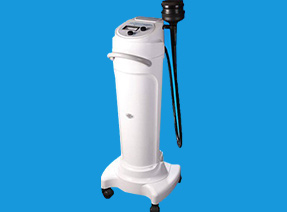
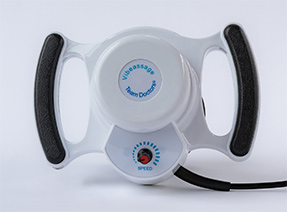
✓ Check out the Team Doctors Recovery Tools
The Vibeassage® Sport and the Vibeassage® Pro featuring the TDX3 soft-as-the-hand Biomimetic Applicator Pad
https://www.teamdoctors.com/
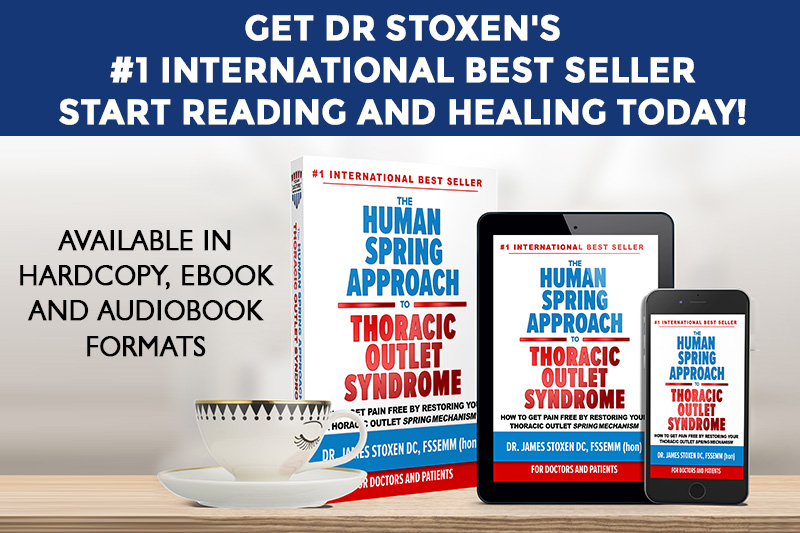
✓ Get Dr. Stoxen’s #1 International Bestselling Books
Learn how to understand, examine, and reverse your TOS—without surgery.
https://drstoxen.com/1-international-best-selling-author/
✓ Check out Team Doctors Online Courses
Step-by-step video lessons, demonstrations, and self-treatment strategies.
https://teamdoctorsacademy.com/
✓ Schedule a Free Phone Consultation With Dr. Stoxen
Speak directly with him so he can review your case and guide you on your next steps.
https://drstoxen.com/appointment/
#ThoracicOutletSyndrome #TOSSurgery #FailedTOSSurgery #FirstRibResection #Scalenectomy #SurgeryOutcomes #PatientEducation #InformedConsent #ChronicPain #NeckPain #ShoulderPain #NerveCompression #VascularCompression #Biomechanics #HealthcareTransparency #SecondOpinion #TeamDoctors #DrStoxen #TOSAwareness #RealRecovery
References
- Illig, K. A., et al. “Thoracic Outlet Syndrome.” Journal of Vascular Surgery, 2010.
- Sanders, R. J., and Hammond, S. L. “Thoracic Outlet Syndrome: A Review.” Neurologic Clinics, 2009.
- Rochlin, D. H., et al. “Outcomes After First Rib Resection for Thoracic Outlet Syndrome.” Annals of Vascular Surgery, 2013.
- Butler, D. S., and Moseley, G. L. Explain Pain. Noigroup Publications, 2013.

Dr James Stoxen DC., FSSEMM (hon) He is the president of Team Doctors®, Treatment and Training Center Chicago, one of the most recognized treatment centers in the world.
Dr Stoxen is a #1 International Bestselling Author of the book, The Human Spring Approach to Thoracic Outlet Syndrome. He has lectured at more than 20 medical conferences on his Human Spring Approach to Thoracic Outlet Syndrome and asked to publish his research on this approach to treating thoracic outlet syndrome in over 30 peer review medical journals.
He has been asked to submit his other research on the human spring approach to treatment, training and prevention in over 150 peer review medical journals. He serves as the Editor-in-Chief, Journal of Orthopedic Science and Research, Executive Editor or the Journal of Trauma and Acute Care, Chief Editor, Advances in Orthopedics and Sports Medicine Journal and editorial board for over 35 peer review medical journals.
He is a much sought-after speaker. He has given over 1000 live presentations and lectured at over 70 medical conferences to over 50,000 doctors in more than 20 countries. He has been invited to speak at over 300 medical conferences which includes invitations as the keynote speaker at over 50 medical conferences.
After his groundbreaking lecture on the Integrated Spring-Mass Model at the World Congress of Sports and Exercise Medicine he was presented with an Honorary Fellowship Award by a member of the royal family, the Sultan of Pahang, for his distinguished research and contributions to the advancement of Sports and Exercise Medicine on an International level. He was inducted into the National Fitness Hall of Fame in 2008 and the Personal Trainers Hall of Fame in 2012.
Dr Stoxen has a big reputation in the entertainment industry working as a doctor for over 150 tours of elite entertainers, caring for over 1000 top celebrity entertainers and their handlers. Anthony Field or the popular children’s entertainment group, The Wiggles, wrote a book, How I Got My Wiggle Back detailing his struggles with chronic pain and clinical depression he struggled with for years. Dr Stoxen is proud to be able to assist him.
Full Bio) Dr Stoxen can be reached directly at teamdoctors@aol.com