Paget–Schrötter syndrome is a type of blood clot in the subclavian vein, the main vein that carries blood from the arm back toward the heart. This condition is most common in younger, active people, and is often linked to Thoracic Outlet Syndrome (TOS) when the blood vessels become compressed.
When a clot forms in the subclavian vein, it doesn’t always stay there. A piece of the clot can break loose, travel through the heart, and lodge in the lungs. This is called a pulmonary embolism, which blocks blood flow inside the lungs.
A pulmonary embolism stops normal oxygen exchange beyond the blockage. When lung tissue does not receive enough oxygen and nutrients, it can die—this is known as pulmonary infarction. It works similarly to a heart attack, except it affects the lungs instead of the heart.
Symptoms of a pulmonary embolism may include:
- Sudden shortness of breath
- Chest pain or pressure
- Fast breathing
- A feeling of panic or air hunger
- In severe cases, collapse or even sudden death has been reported in medical literature.
A common question is: why did the clot form in the first place?
In many documented cases, the underlying cause is venous Thoracic Outlet Syndrome, where the anatomy around the thoracic outlet compresses the vein and interferes with normal blood flow.
Thoracic Outlet Syndrome occurs when structures traveling from the neck into the arm—nerves, arteries, and veins—get squeezed. In venous TOS, the subclavian vein becomes compressed, slowing the return of blood from the arm. This slowed, turbulent blood flow irritates the vessel wall and increases the chances of a clot forming.
One of the biggest contributors to this narrowing is chronic muscle tightness. The muscles stay tight automatically, and patients often cannot relax them even with stretching or rest.
When blood flow slows down because of this compression, clot formation becomes more likely. Over time, repetitive arm motion combined with vein narrowing can lead to the effort-related clot known as Paget–Schrötter syndrome.
A newly formed clot in the subclavian vein is a medical emergency. Treatment in the hospital may include:
- Blood thinners
- “Clot-busting” medications
- Catheter procedures to dissolve or remove the clot
After treatment, many patients are told that the next step to reduce the risk of another clot is first rib removal and scalene muscle removal. This recommendation is often based on evaluating only one area of potential compression.
However, doctors recognize three separate anatomical “choke points” in the thoracic outlet that can reduce vein flow. Any one of these areas—or a combination—can contribute to the problem.
Choke Point #1: The Interscalene Triangle
The scalene muscles can become so tight that they lift the first rib upward, narrowing the outlet. Some neck stretches may accidentally make this rib elevation worse.
Choke Point #2: The Costoclavicular Space
Here, an upward-moving rib cage and a downward-pressing collarbone act like scissors. Four muscles often involved in this region are:
- Pectoralis minor
- Subclavius
- Biceps short head
- Coracobrachialis
Tightness or inflammation in these muscles may further reduce space for the vein.
Choke Point #3: The Pectoralis Minor Space
If the pectoralis minor muscle becomes tight or inflamed, it can directly compress the subclavian vein beneath the collarbone—even if the first rib is not involved.
If the main problem comes from the second or third choke point, then first rib removal alone may not fully solve the issue. Compression may persist after surgery because other tight structures were never addressed.
In many clinical settings, evaluations focus mostly on the interscalene triangle and may overlook the costoclavicular region and pectoralis minor. This can limit the completeness of the decompression.
At Team Doctors®, a non-surgical evaluation looks at all three choke points at the same time. The goal is to identify muscle inflammation, imbalances in tone, protective muscle guarding, and rib cage movement problems that affect the thoracic outlet.
Instead of removing ribs or muscles, the approach aims to restore healthy movement and muscle tone in up to ten muscles that influence space in the thoracic outlet. This may include hands-on techniques, specific pressure applications, and rib cage mobilization.
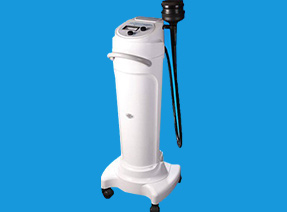
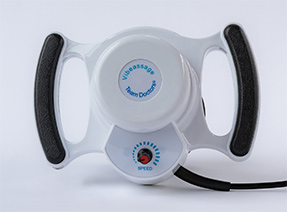
Tools such as the Vibeassage®, Vibeassage® Sport, and Vibeassage® Pro, featuring the TDX3 soft-as-the-hand Biomimetic Applicator Pad, are used to help normalize muscle tone and improve circulation patterns.
Rib cage position is evaluated as a whole, not just at the first rib. Mobilization techniques aim to move the rib cage downward and outward to reduce compression on the vein.
Patients who previously experienced subclavian vein clots and chose non-surgical care have been evaluated from several regions across the United States, including Idaho, Oregon, Maryland, Florida, California, and also from professional athletic organizations.
From an educational perspective, having a clot in the subclavian vein does not automatically determine a single treatment choice. Learning how the thoracic outlet works—muscles, anatomy, and blood flow—helps patients make informed decisions.
Thoracic Outlet Syndrome is a complex condition involving posture, muscle behavior, and biomechanics. Evaluating all potential choke points gives clinicians a clearer picture of how compression develops and how it may lead to clot formation.
Why Blood Clot Risk Still Remains in ~10%–25% of Patients After Thoracic Outlet Syndrome Surgery
The reported “risk of a clot after thoracic outlet syndrome (TOS) surgery” is not a single, fixed percentage. The number varies depending on:
- Whether the patient has venous, neurogenic, or arterial TOS
- What the study counts as a clot event (e.g., postoperative recurrent thrombosis, persistent blockage, progression, pulmonary embolism, or loss of vein patency)
The most meaningful clot-risk data come from venous TOS / Paget–Schroetter syndrome, because clotting is part of the disease process and is consistently tracked after clot-busting treatment and decompression.
What medical journals report (Venous TOS / Paget–Schroetter)
A systematic review by de Kleijn et al. found that:
- Postoperative recurrent thrombosis happened in about 13% to 21% of patients, depending on the timing and grouping of studies.
- The same review noted preoperative recurrent thrombosis rates of 7% vs. 11%, followed by postoperative recurrence of 13% vs. 21% in the compared groups. (1)
A second systematic review and meta-analysis by Karaolanis et al. reported a pooled re-thrombosis rate of 22.61%, though the exact number varies because studies define recurrence differently and follow patients for different lengths of time. (2)
Additional clinical reports show that repeat clots can still occur even after decompression surgery, and recurrence is considered a known long-term risk, though wording varies by study type and publication. (3)
Practical interpretation
For venous TOS, the most evidence-based summary is:
Recurrent clotting after surgery is commonly reported in about 10%–25% of patients, with pooled averages around ~23%, depending on definitions and monitoring methods. ¹²
If you specify the exact conditions—such as decompression after thrombolysis, type of TOS, and whether recurrence refers to a new arm clot, pulmonary embolism, or vein patency—the clot-risk estimate can be tailored even more precisely.
References
- de Kleijn, Robert J. C. M. F., Ludo Schropp, Jan Westerink, Gert J. de Borst, and Bart-Jeroen Petri. 2020. “Timing of Thoracic Outlet Decompression after Thrombolysis for Primary Upper Extremity Deep Venous Thrombosis: A Systematic Review.” Annals of Vascular Surgery 66 (July): 654–661. https://doi.org/10.1016/j.avsg.2020.01.083.
Abstract: https://pubmed.ncbi.nlm.nih.gov/32035261/ - Karaolanis, Georgios, Constantine N. Antonopoulos, Stylianos G. Koutsias, Alexandros Giosdekos, Efstathios K. Metaxas, Petros Tzimas, Gert J. de Borst, and George Geroulakos. 2021. “A Systematic Review and Meta-Analysis for the Management of Paget-Schroetter Syndrome.” Journal of Vascular Surgery: Venous and Lymphatic Disorders 9, no. 3 (May): 801–810.e5. https://doi.org/10.1016/j.jvsv.2021.01.011.
Abstract: https://pubmed.ncbi.nlm.nih.gov/33540134/ - Teano, Czarina, Michele M. Iguina, Alfonso Manotas, and Daniel Heller. 2023. “Recurrent Thrombosis after Rib Resection in a Patient with Paget-Schroetter Syndrome.” Chest 164, no. 4 (Supplement): A232. https://journal.chestnet.org/article/S0012-3692%2823%2901243-6/abstract.
Abstract: https://journal.chestnet.org/article/S0012-3692%2823%2901243-6/abstract

Dr James Stoxen DC., FSSEMM (hon) He is the president of Team Doctors®, Treatment and Training Center Chicago, one of the most recognized treatment centers in the world.
Dr Stoxen is a #1 International Bestselling Author of the book, The Human Spring Approach to Thoracic Outlet Syndrome. He has lectured at more than 20 medical conferences on his Human Spring Approach to Thoracic Outlet Syndrome and asked to publish his research on this approach to treating thoracic outlet syndrome in over 30 peer review medical journals.
He has been asked to submit his other research on the human spring approach to treatment, training and prevention in over 150 peer review medical journals. He serves as the Editor-in-Chief, Journal of Orthopedic Science and Research, Executive Editor or the Journal of Trauma and Acute Care, Chief Editor, Advances in Orthopedics and Sports Medicine Journal and editorial board for over 35 peer review medical journals.
He is a much sought-after speaker. He has given over 1000 live presentations and lectured at over 70 medical conferences to over 50,000 doctors in more than 20 countries. He has been invited to speak at over 300 medical conferences which includes invitations as the keynote speaker at over 50 medical conferences.
After his groundbreaking lecture on the Integrated Spring-Mass Model at the World Congress of Sports and Exercise Medicine he was presented with an Honorary Fellowship Award by a member of the royal family, the Sultan of Pahang, for his distinguished research and contributions to the advancement of Sports and Exercise Medicine on an International level. He was inducted into the National Fitness Hall of Fame in 2008 and the Personal Trainers Hall of Fame in 2012.
Dr Stoxen has a big reputation in the entertainment industry working as a doctor for over 150 tours of elite entertainers, caring for over 1000 top celebrity entertainers and their handlers. Anthony Field or the popular children’s entertainment group, The Wiggles, wrote a book, How I Got My Wiggle Back detailing his struggles with chronic pain and clinical depression he struggled with for years. Dr Stoxen is proud to be able to assist him.
Full Bio) Dr Stoxen can be reached directly at teamdoctors@aol.com