In my clinical experience, one of the most overlooked yet essential concepts for understanding chronic neck pain and Thoracic Outlet Syndrome is the righting reflex. This powerful neurological mechanism is responsible for keeping the head perpendicular to gravity so the eyes remain level with the horizon. When individuals unknowingly trigger this reflex repeatedly, the resulting scalene over-contraction, cervical strain, and postural overload can mimic or worsen symptoms commonly attributed to structural problems. Understanding this reflex allows many individuals to identify the real cause of persistent discomfort—something treatments alone cannot resolve.
The righting reflex is governed by the semicircular canals, three fluid-filled structures in the inner ear shaped like small hula hoops. At the base of each canal are thousands of sensory hairs covered by a layer of gel. When the head tilts to one side, the gel shifts, bending the hairs and signaling the brain that the body is leaning. The nervous system responds immediately by activating the opposite-side scalene muscles, restoring the head to a neutral, upright position. This mechanism keeps the eyes level with the horizon, a function essential for balance, orientation, and survival.
However, modern lifestyle habits can force this reflex to activate continuously. Individuals who lean to the left—while sitting on a couch, reclining in bed, or carrying a bag on one shoulder—cause the right scalenes to contract for long periods. People who lean right cause the left side to compensate. When someone reclines straight back, such as watching TV in bed, both sides activate simultaneously. In each case, the scalenes are forced to support the weight of a 9- to 12-pound head for extended periods.
This sustained contraction leads to predictable physiological changes. First comes muscle fatigue, followed by lactic acid buildup, creating the familiar burning sensation. As fatigue progresses, micro-damage occurs within the fibers. Damaged fibers release inflammatory chemicals, which the nerves detect as an injury. These nerves send signals to the spinal cord, triggering protective muscle guarding in the surrounding tissues. The guarding increases tension, further restricting mobility. As long as inflammation remains in the tissue, the reflexive guarding persists.
If this cycle is not interrupted, it amplifies. Continued guarding leads to more soft-tissue congestion, more nerve signaling, and stronger instructions from the spinal cord to brace the area. Over time, the excessive tension can shift anatomical structures into the thoracic outlet, contributing to symptoms similar to vascular or neurological compression. The result is a complex layering of overuse, inflammation, guarding, and postural strain—all rooted in the righting reflex being triggered repeatedly.
Daily habits often reveal the source of symptoms more accurately than imaging. For example, if someone has right-sided symptoms, it often means they spend too much time leaning left. If symptoms appear on the left, the person is likely leaning right. If symptoms occur on both sides, leaning backward is usually the culprit. A pillow that is too thick or too thin can activate the same mechanism, as can reclining furniture that tilts the torso behind the perpendicular plane. Many individuals never realize these positions keep the scalenes contracting long after therapy sessions end.
A patient from Minneapolis demonstrated this clearly. She had equal symptoms on both sides, and after examining her habits, it became evident that she routinely leaned backward in her favorite chair. Without knowing it, she was activating bilateral scalene contraction every time she relaxed. Another case involved an attorney from Toronto who had undergone more than 200 treatments from top specialists without lasting relief. After reading about the righting reflex, he corrected his posture and experienced a sustained 40% reduction in symptoms within days. He later traveled for intensive deep-tissue work, which resolved the remaining discomfort, and he remains symptom-free years later.
The righting reflex itself is not harmful; it is a vital neurological system. The problem arises when modern behaviors conflict with the body’s design. Leaning, reclining, asymmetrical loading, and poor pillow positioning activate the reflex continuously, forcing the cervical stabilizers into chronic overuse. Without addressing these habits, individuals may undergo countless treatments without meaningful improvement because they return home and unknowingly re-activate the very mechanism causing their pain.
To live in harmony with gravity, it is essential to maintain the upper body perpendicular to earth, minimizing head tilt and avoiding prolonged leaning. Once individuals understand the righting reflex, they can identify the exact posture triggering their symptoms—often within minutes. This awareness, combined with methods that reduce inflammation, restore soft-tissue function, and improve biomechanics, can dramatically change outcomes for those struggling with chronic neck and thoracic outlet-related discomfort.
Team Doctors Resources
✓ Check out the Team Doctors Recovery Tools
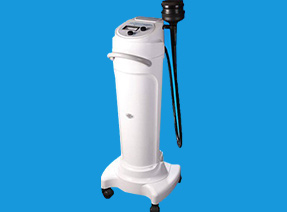
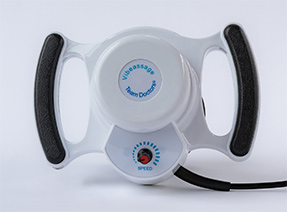
The Vibeassage Sport and the Vibeassage Pro featuring the TDX3 soft-as-the-hand Biomimetic Applicator Pad
https://www.teamdoctors.com/
✓ Get Dr. Stoxen’s #1 International Bestselling Books
Learn how to understand, examine, and reverse your TOS—without surgery.
https://drstoxen.com/1-international-best-selling-author/
✓ Check out Team Doctors Online Courses
Step-by-step video lessons, demonstrations, and self-treatment strategies.
https://teamdoctorsacademy.com/
✓ Schedule a Free Phone Consultation With Dr. Stoxen
Speak directly with him so he can review your case and guide you on your next steps.
https://drstoxen.com/appointment/
#thoracicoutletsyndrome #TOS #rightingreflex #scalenemuscles #neckpain #posturemechanics #gravityalignment #ergonomics #cervicalstability #muscleguarding #inflammationcycle #textneck #uppershoulderpain #thoracicoutletcompression #softtissuehealth #biomechanics #postureawareness #TeamDoctors #healingjourney #painmechanics
References
- Brandt, Thomas. Vertigo and Dizziness: Common Complaints. Springer, 1999.
- Hooper, T. L., Denton, J., et al. “Thoracic Outlet Syndrome: A Functional Approach.” Journal of Manual & Manipulative Therapy, 2010.
- Sanders, R. J., et al. “Neurogenic Thoracic Outlet Syndrome: An Update.” Journal of Vascular Surgery, 2019.
- Kapandji, I. A. Physiology of the Joints: Volume 3—The Trunk and the Vertebral Column. Churchill Livingstone, 2008.

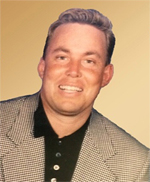
Dr James Stoxen DC., FSSEMM (hon) He is the president of Team Doctors®, Treatment and Training Center Chicago, one of the most recognized treatment centers in the world.
Dr Stoxen is a #1 International Bestselling Author of the book, The Human Spring Approach to Thoracic Outlet Syndrome. He has lectured at more than 20 medical conferences on his Human Spring Approach to Thoracic Outlet Syndrome and asked to publish his research on this approach to treating thoracic outlet syndrome in over 30 peer review medical journals.
He has been asked to submit his other research on the human spring approach to treatment, training and prevention in over 150 peer review medical journals. He serves as the Editor-in-Chief, Journal of Orthopedic Science and Research, Executive Editor or the Journal of Trauma and Acute Care, Chief Editor, Advances in Orthopedics and Sports Medicine Journal and editorial board for over 35 peer review medical journals.
He is a much sought-after speaker. He has given over 1000 live presentations and lectured at over 70 medical conferences to over 50,000 doctors in more than 20 countries. He has been invited to speak at over 300 medical conferences which includes invitations as the keynote speaker at over 50 medical conferences.
After his groundbreaking lecture on the Integrated Spring-Mass Model at the World Congress of Sports and Exercise Medicine he was presented with an Honorary Fellowship Award by a member of the royal family, the Sultan of Pahang, for his distinguished research and contributions to the advancement of Sports and Exercise Medicine on an International level. He was inducted into the National Fitness Hall of Fame in 2008 and the Personal Trainers Hall of Fame in 2012.
Dr Stoxen has a big reputation in the entertainment industry working as a doctor for over 150 tours of elite entertainers, caring for over 1000 top celebrity entertainers and their handlers. Anthony Field or the popular children’s entertainment group, The Wiggles, wrote a book, How I Got My Wiggle Back detailing his struggles with chronic pain and clinical depression he struggled with for years. Dr Stoxen is proud to be able to assist him.
Full Bio) Dr Stoxen can be reached directly at teamdoctors@aol.com