Many individuals experience hand weakness, numbness, or tingling and assume these symptoms must be related to conditions like diabetic neuropathy. In my clinical experience, however, certain patterns of discomfort can resemble this condition even when the source comes from mechanical compression around the thoracic outlet. This article explores a case-style example that illustrates how symptoms may be misinterpreted.
The story involves a musician who performed with well-known artists. He shared that he had been told he had diabetic neuropathy for several years. During this time, his hand became weak, and he could no longer perform tasks that once felt simple. Many individuals describe similar frustration when hand function changes without a clear explanation. These situations often lead to uncertainty.
One memorable aspect of this case involved difficulty with small, everyday tasks. The individual explained that he could not remove a lid from a small container due to weakness in his hand. Many individuals with upper body symptoms describe these moments as the first sign that something feels different. These experiences can be confusing and may prompt questions about nerve or circulation issues.
When discussing symptoms, the individual shared a pattern that began in the pinky and ring fingers. The sensation then moved toward the middle finger, index finger, and thumb. This finger sequence provides important insight. Many individuals are unaware that different conditions follow different sensory patterns. For example, diabetic neuropathy often starts at the fingertips and moves toward the body, while symptoms tied to mechanical compression may begin on the ulnar side of the hand.
This detail suggests why certain hand patterns may be misinterpreted. When the ulnar nerve becomes irritated, individuals often feel symptoms in the pinky and ring fingers first. When additional structures become involved, the pattern may travel across the hand. These changes can resemble signs commonly associated with Thoracic Outlet Syndrome, especially when the muscles supporting the shoulder or chest become tense.
Individuals who perform repetitive hand movements, such as musicians, often rely heavily on muscles that stabilize the shoulder. When these structures become fatigued, they may begin to tighten. This includes the pectoralis minor, which helps position the shoulder. When this muscle becomes irritated, it may alter the mechanics of the upper chest and shoulder. Many individuals describe how this can shift the shoulder downward into the outlet area.
This shift may narrow the space near the brachial plexus, which contains nerves that travel down the arm. When these nerves become irritated, individuals report numbness, tingling, or weakness. These sensations can resemble patterns often linked to neuropathy. This overlap explains why some individuals are uncertain about the true origin of their symptoms.
One important element of this case-style scenario involves understanding how inflammation spreads. When a muscle becomes irritated, the surrounding tissues may tighten. The scalenes, subclavius, and upper trapezius may begin contracting to protect the region. This protective pattern, sometimes described as guarding, can increase pressure around the outlet. Many individuals describe increased numbness when this occurs.
In settings where individuals rely on their hands extensively, such as in music performance, these patterns may become more pronounced. The combination of repetitive strain, posture, and muscle fatigue creates a situation where symptoms may resemble neuropathy. Understanding these factors helps individuals better interpret what they feel.
Another aspect worth noting is how inflamed tissues may restrict blood flow. When the shoulder shifts downward or when muscles tighten around the outlet, individuals may describe sensations of heaviness or coldness in the hand. These vascular-like symptoms may add to the confusion, because they resemble features sometimes associated with systemic conditions.
In this case-style example, the individual initially doubted that the symptoms were related to the outlet area. Many people find it difficult to believe that muscular tension or posture could create such strong sensations. However, the distribution of symptoms can offer valuable clues. When numbness follows a pattern beginning at the pinky and ring fingers, it often points toward involvement of the ulnar nerve, the lower brachial plexus, or structures around the outlet.
Stories like this highlight the importance of examining symptom patterns carefully. Observing which fingers are involved, when symptoms appear, and what activities trigger changes provides insight into how the upper body reacts to strain. These patterns can resemble Thoracic Outlet Syndrome, ulnar nerve irritation, or other mechanical issues.
Understanding how these symptoms develop empowers individuals to interpret what they feel more clearly. Education helps people recognize when patterns align with mechanical compression rather than conditions like diabetic neuropathy. Learning how posture, muscle fatigue, and inflammation influence nerve pathways can reduce confusion.
In my clinical experience, many individuals describe relief when they understand why their symptoms follow specific patterns. Knowing how the upper body interacts with the nerves that travel into the hand offers clarity. This insight helps people begin to see how different conditions can mimic each other.
These patterns also illustrate the importance of looking at the entire upper body when symptoms appear. Muscles in the chest, neck, and shoulder often influence nerve pathways in ways that surprise individuals. Understanding these relationships can help people identify the source of sensations that once felt mysterious.
Case-style stories offer valuable lessons about how complex the upper body can be. They show how symptoms may overlap and why some conditions are mistaken for others. This example highlights how careful observation can help individuals understand their symptoms more fully.
Team Doctors Resources
✓ Check out the Team Doctors Recovery Tools
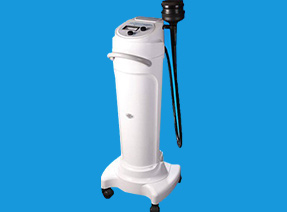
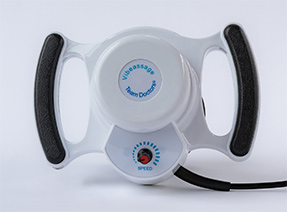
The Vibeassage Sport and the Vibeassage Pro featuring the TDX3 soft-as-the-hand Biomimetic Applicator Pad
https://www.teamdoctors.com/
✓ Get Dr. Stoxen’s #1 International Bestselling Books
Learn how to understand, examine, and reverse your TOS—without surgery.
https://drstoxen.com/1-international-best-selling-author/
✓ Check out Team Doctors Online Courses
Step-by-step video lessons, demonstrations, and self-treatment strategies.
https://teamdoctorsacademy.com/
✓ Schedule a Free Phone Consultation With Dr. Stoxen
Speak directly with him so he can review your case and guide you on your next steps.
https://drstoxen.com/appointment/
#thoracicoutletsyndrome #tos #ulnarnerve #handnumbness #neuropathyconfusion
#whatmimicstos #brachialplexus #upperbodypain #musicianhealth #teamdoctors
#drstoxen #pecminor #subclavius #movementhealth #posturemechanics #nervepatterns
#handweakness #inflammationmapping #upperextremity #healthawareness
References
[1] Illig, Karl A., et al. Thoracic Outlet Syndrome. Springer, 2013.
https://doi.org/10.1007/978-1-4614-6567-6
[2] Novak, Christina B., et al. “Brachial Plexus Compression Neuropathies.” Hand Clinics, 1996.
https://pubmed.ncbi.nlm.nih.gov/8739712/
[3] Campbell, William W. “Evaluation of Peripheral Neuropathy.” Neurology, 2008.
https://pubmed.ncbi.nlm.nih.gov/19064600/
[4] Braun, Robert M. “Pectoralis Minor Syndrome.” Hand Clinics, 2004.
https://doi.org/10.1016/j.hcl.2004.04.001

Dr James Stoxen DC., FSSEMM (hon) He is the president of Team Doctors®, Treatment and Training Center Chicago, one of the most recognized treatment centers in the world.
Dr Stoxen is a #1 International Bestselling Author of the book, The Human Spring Approach to Thoracic Outlet Syndrome. He has lectured at more than 20 medical conferences on his Human Spring Approach to Thoracic Outlet Syndrome and asked to publish his research on this approach to treating thoracic outlet syndrome in over 30 peer review medical journals.
He has been asked to submit his other research on the human spring approach to treatment, training and prevention in over 150 peer review medical journals. He serves as the Editor-in-Chief, Journal of Orthopedic Science and Research, Executive Editor or the Journal of Trauma and Acute Care, Chief Editor, Advances in Orthopedics and Sports Medicine Journal and editorial board for over 35 peer review medical journals.
He is a much sought-after speaker. He has given over 1000 live presentations and lectured at over 70 medical conferences to over 50,000 doctors in more than 20 countries. He has been invited to speak at over 300 medical conferences which includes invitations as the keynote speaker at over 50 medical conferences.
After his groundbreaking lecture on the Integrated Spring-Mass Model at the World Congress of Sports and Exercise Medicine he was presented with an Honorary Fellowship Award by a member of the royal family, the Sultan of Pahang, for his distinguished research and contributions to the advancement of Sports and Exercise Medicine on an International level. He was inducted into the National Fitness Hall of Fame in 2008 and the Personal Trainers Hall of Fame in 2012.
Dr Stoxen has a big reputation in the entertainment industry working as a doctor for over 150 tours of elite entertainers, caring for over 1000 top celebrity entertainers and their handlers. Anthony Field or the popular children’s entertainment group, The Wiggles, wrote a book, How I Got My Wiggle Back detailing his struggles with chronic pain and clinical depression he struggled with for years. Dr Stoxen is proud to be able to assist him.
Full Bio) Dr Stoxen can be reached directly at teamdoctors@aol.com