Why Surgery Seemed Like the Only Answer
Many people with Thoracic Outlet Syndrome are told that surgery will “fix the compression.” They hear that a surgeon will remove a rib or cut a scalene muscle and the tunnel will finally open. When symptoms are painful or scary, it’s easy to believe this is the only solution.
But when you learn how the outlet truly works, something becomes clear:
Surgery only removes a few structures, but more than a dozen muscles can still compress the outlet afterward.
That’s why so many patients tell me their symptoms stayed the same or even came back.
What Surgery Usually Removes — And What It Doesn’t
Most TOS surgeries focus on:
- Removing the first rib
- Cutting the anterior scalene muscle
- Sometimes cutting the middle scalene
But these are only a small part of the total system. Even after an anterior scalenectomy, compression can continue because the other muscles around the outlet remain tight, short, or overloaded.
If you still have muscle spasms in neck, tight scalene muscles, a tight pectoralis minor, or a stiff subclavius muscle, the outlet can still narrow. These are powerful muscles that pull on the clavicle, ribs, and shoulder. As long as they stay tight, the pressure stays.
These 10 Muscles Still Compress the Outlet After Surgery
Even if a rib is removed, these muscles can continue to close the space:
- scalene muscles (if not fully released)
- posterior scalene
- anterior neck muscles
- pectoralis minor
- coracobrachialis
- biceps short head
- latissimus dorsi
- lower trapezius
- subclavius muscle
- thoracic muscles
If you still have tight scalene muscles symptoms, anterior scalene syndrome, or pectoralis minor syndrome, then the outlet mechanically stays restricted.
This is exactly why surgery doesn’t always match what patients expect.
The Spaces That Get Compressed
Even after surgery, the spaces that can stay tight include:
- The interscalene triangle
- The costoclavicular space
- The subpectoral space
A shortened pectoralis minor can still pull the shoulder forward.
A stiff subclavius muscle can still lower the clavicle.
A guarded thoracic myalgia pattern can still tighten the upper ribs.
And when these muscles hold tension, patients often feel muscle under clavicle pain, nerve tension, arm aching, or chest tightness.
Understanding the Muscle-Based View of TOS
When we zoom out and look at the outlet the right way, we see a system—not a single structure. This system is influenced by posture, movement, spring loading, and the way the body absorbs shock. If these muscles stay tight, they continue the cycle of compression—even after surgery.
This is why terms like muscles scalene, anterior scalene muscle syndrome, muscles scalene treatment, pectoralis minor tenotomy, and even omohyoid thoracic outlet syndrome all exist. They describe different muscular routes that can collapse the tunnel.
Where the Spring Model Fits In
Your body is built like a spring, not a lever. When joints lose motion or muscles stiffen, the spring can’t absorb force. That stiffness builds pressure around the outlet. Patients may also show:
- spring receptor overload
- compression mechanics
- loss of joint spring compliance
- restricted spring loading
- overloaded suspension muscles
- protective spring guarding
These patterns help explain why the outlet feels tight and why symptoms continue even after removal of a rib.
This is why restoring movement, reducing stiffness, and improving the spring suspension of the neck and shoulder often helps people understand their symptoms better.
Why Many Patients Try Non-Surgical Options First
When patients finally understand that more than 10 muscles still compress the outlet after surgery, they often decide to explore non-surgical approaches first. These approaches focus on:
- Improving spring mechanics
- Reducing muscle guarding
- Restoring joint motion
- Releasing tight compression patterns
- Balancing the shoulder and neck muscles
For many, this explains why their symptoms stayed or returned after structural surgery.
You deserve the full picture before choosing any major procedure.
Team Doctors Resources
✓ Check out the Team Doctors Recovery Tools
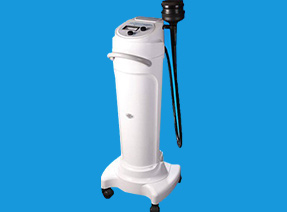
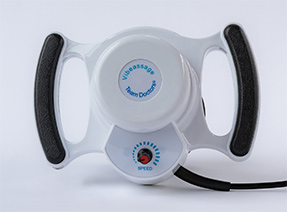
The Vibeassage Sport and the Vibeassage Pro featuring the TDX3 soft-as-the-hand Biomimetic Applicator Pad
https://www.teamdoctors.com
✓ Get Dr. Stoxen’s #1 International Bestselling Books
Learn how to understand, examine, and reverse your TOS—without surgery.
https://drstoxen.com/1-international-best-selling-author
✓ Check out Team Doctors Online Courses
Step-by-step video lessons, demonstrations, and self-treatment strategies.
https://teamdoctorsacademy.com
✓ Schedule a Free Phone Consultation With Dr. Stoxen
Speak directly with him so he can review your case and guide you on your next steps.
https://drstoxen.com/appointment
#thoracicoutletsyndrome #tos #neurogenictos #tossurgery #scalenes #pecminor #brachialplexus #thoracicoutlet #scalenectomy #armnumbness #neckpain #shoulderpain #venoustos #arterialtos #costoclavicular #subpectoral #drstoxen #toseducation #nonsurgicaltos #thoracicoutletrelief
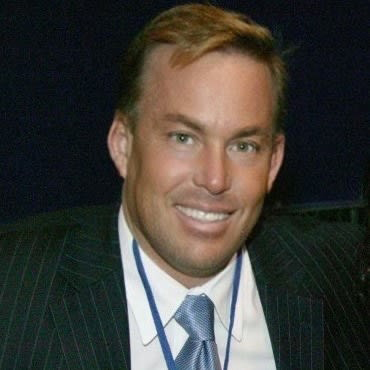
Dr James Stoxen DC., FSSEMM (hon) He is the president of Team Doctors®, Treatment and Training Center Chicago, one of the most recognized treatment centers in the world.
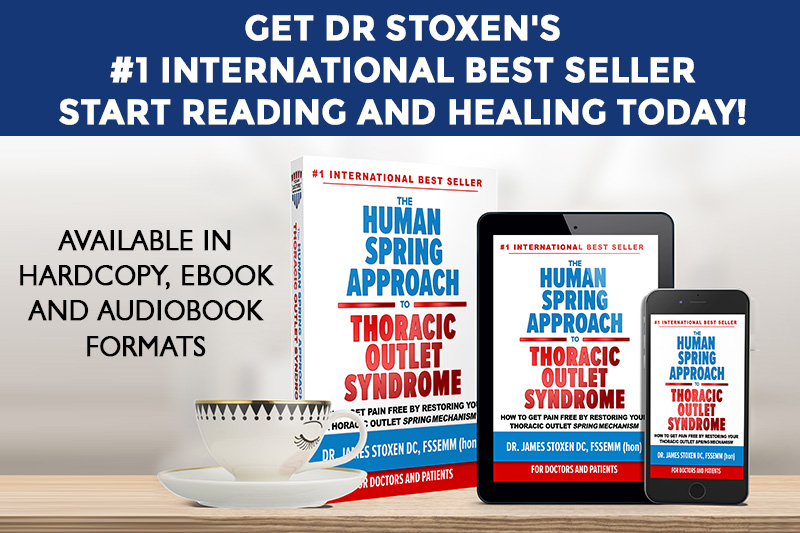
Dr Stoxen is a #1 International Bestselling Author of the book, The Human Spring Approach to Thoracic Outlet Syndrome. He has lectured at more than 20 medical conferences on his Human Spring Approach to Thoracic Outlet Syndrome and asked to publish his research on this approach to treating thoracic outlet syndrome in over 30 peer review medical journals.
He has been asked to submit his other research on the human spring approach to treatment, training and prevention in over 150 peer review medical journals. He serves as the Editor-in-Chief, Journal of Orthopedic Science and Research, Executive Editor or the Journal of Trauma and Acute Care, Chief Editor, Advances in Orthopedics and Sports Medicine Journal and editorial board for over 35 peer review medical journals.
He is a much sought-after speaker. He has given over 1000 live presentations and lectured at over 70 medical conferences to over 50,000 doctors in more than 20 countries. He has been invited to speak at over 300 medical conferences which includes invitations as the keynote speaker at over 50 medical conferences.
After his groundbreaking lecture on the Integrated Spring-Mass Model at the World Congress of Sports and Exercise Medicine he was presented with an Honorary Fellowship Award by a member of the royal family, the Sultan of Pahang, for his distinguished research and contributions to the advancement of Sports and Exercise Medicine on an International level. He was inducted into the National Fitness Hall of Fame in 2008 and the Personal Trainers Hall of Fame in 2012.
Dr Stoxen has a big reputation in the entertainment industry working as a doctor for over 150 tours of elite entertainers, caring for over 1000 top celebrity entertainers and their handlers. Anthony Field or the popular children’s entertainment group, The Wiggles, wrote a book, How I Got My Wiggle Back detailing his struggles with chronic pain and clinical depression he struggled with for years. Dr Stoxen is proud to be able to assist him.
Full Bio) Dr Stoxen can be reached directly at teamdoctors@aol.com