Finding Hope After Years of Pain
Living with pain every day can wear you down. Many people with Thoracic Outlet Surgery histories, failed treatments, or complex cases like Paget-Schroetter Syndrome know this feeling well. For years, I listened to patients tell me that nothing had helped—not physical therapy, not medications, and for some, not even Thoracic Outlet Syndrome Surgery.
This patient’s story begins the same way. She had dealt with severe chronic pain for years. Sleep became difficult, daily life felt heavier, and she wondered if she would ever feel normal again.
When Surgery Doesn’t Fix the Problem
Many people assume First Rib Resection or TOS Surgery will fix everything. But even when surgery is needed and helpful, the recovery can be slow, complicated, or incomplete. Studies show that many patients continue to have symptoms after surgical care, especially those with nerve-related compression (PubMed study, inline citation here) and those with deep vein conditions like Paget-Schroetter Syndrome (second inline citation here).
Some also struggle with issues related to:
- Thoracic Outlet Surgery Recovery
• Thoracic Outlet Surgery Complications
• Thoracic Outlet Surgery Success Rate
• Thoracic Outlet Syndrome Surgery Recovery
For this patient, the road was long. She had tried everything she knew. Nothing gave real relief.
A New Path Forward
She eventually came to see me for a full evaluation. I explained that even after First Rib Surgery, the body must learn to move again without tight, guarded muscles. The spring-like system of the body must be restored. When joints and tissues cannot absorb force the right way, the neck, shoulder, and chest can stay irritated.
During treatment, we worked through the tight areas layer by layer. It takes time, patience, and the right approach. But something important happened after her fifth visit.
The Morning Everything Changed
That day, she went back to her hotel completely exhausted. She lay down, expecting another long night of discomfort.
But instead, she fell asleep.
And stayed asleep.
When she woke in the morning, she noticed something she had not felt in years:
“I feel less pain.”
For her, this was the first sign that her body could change. It was not a miracle. It was the result of restoring movement, reducing tension, and helping her body support itself again after years of stress and after difficult experiences many patients face during Thoracic Outlet Syndrome Surgery Cost, Thoracic Outlet Syndrome Surgery Complications, First Rib Resection Recovery, and Thoracic Outlet Syndrome Surgery Risks.
Why Self-Treatment Became the Turning Point
Once she improved, I explained that she didn’t have to depend on clinic treatments forever. After surgery—especially for nerve-related problems like Neurogenic Thoracic Outlet Syndrome Surgery—patients often think they have no control.
But they do.
I taught her how to safely work on tight tissues at home so she could continue her progress. Self-care between visits is often one of the missing steps for people who still struggle long after Transaxillary First Rib Resection or long Thoracic Outlet Syndrome Surgery Recovery Time.
With the right tools, she:
- Released tension that surgery didn’t solve
• Improved circulation
• Reduced guarding
• Regained confidence
• And learned she could influence her own healing
That sense of control mattered. For many people, it matters even more than the procedure itself.
Understanding the Full Picture
Surgery is sometimes the right choice, especially for blood-flow problems like Paget-Schroetter Syndrome. But even after addressing the clot or removing a rib, many patients need the right guidance to restore natural movement patterns.
Some also want to understand the impact of:
- Thoracic Outlet Surgery Scars
• First Rib Resection Complications
• Thoracic Outlet Syndrome Surgery Results
• Or educational resources like a Thoracic Outlet Surgery Video
This patient learned that healing is not just one event. It is a process.
And with support, that process can finally move in the right direction.
If You’re Still in Pain, You’re Not Alone
Maybe you’ve had surgery. Maybe you’re considering it. Or maybe you have a condition like Paget-Schroetter Syndrome and feel unsure about your options. Whatever your path has been, feeling stuck does not mean the story is over.
There is always a next step.
There is always a way forward.
And like this patient discovered, even one morning of waking with less pain can be the moment everything begins to change.
If you’re suffering now, don’t give up. Help exists. Support exists. And your body can make positive changes with the right approach.
Team Doctors Resources
✓ Check out the Team Doctors Recovery Tools
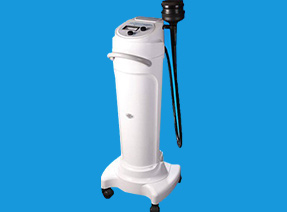
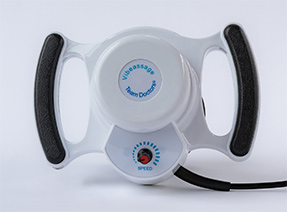
The Vibeassage Sport and the Vibeassage Pro featuring the TDX3 soft-as-the-hand Biomimetic Applicator Pad
https://www.teamdoctors.com
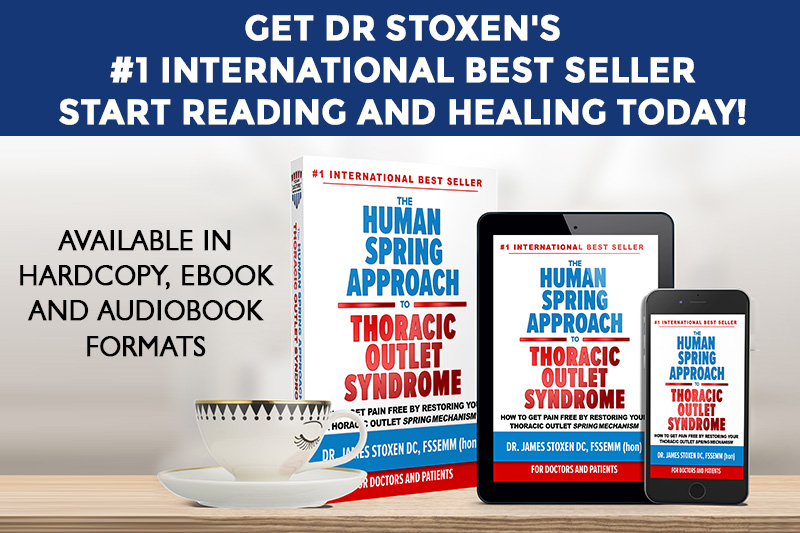
✓ Get Dr. Stoxen’s #1 International Bestselling Books
Learn how to understand, examine, and reverse your TOS—without surgery.
https://drstoxen.com/1-international-best-selling-author
✓ Check out Team Doctors Online Courses
Step-by-step video lessons, demonstrations, and self-treatment strategies.
https://teamdoctorsacademy.com
✓ Schedule a Free Phone Consultation With Dr. Stoxen
Speak directly with him so he can review your case and guide you on your next steps.
https://drstoxen.com/appointment
#ThoracicOutletSyndrome #TOS #ThoracicOutletSurgery #FirstRibResection #TOSSurgery #NeurogenicTOS #PagetSchroetterSyndrome #ChronicPain #ThoracicOutlet #TOSRecovery #DrStoxen #TeamDoctors #ThoracicOutletAnatomy #ThoracicOutletEngineering #TOSSurgeryRecovery #FirstRibSurgery #ThoracicOutletComplications #TOSJourney #PainRelief #TOSAwareness
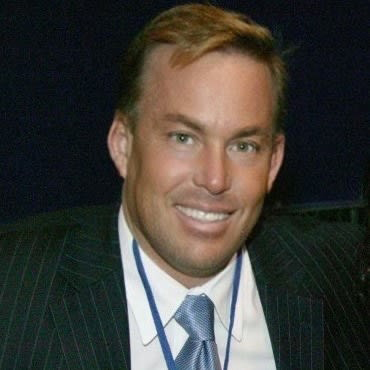
Dr James Stoxen DC., FSSEMM (hon) He is the president of Team Doctors®, Treatment and Training Center Chicago, one of the most recognized treatment centers in the world.
Dr Stoxen is a #1 International Bestselling Author of the book, The Human Spring Approach to Thoracic Outlet Syndrome. He has lectured at more than 20 medical conferences on his Human Spring Approach to Thoracic Outlet Syndrome and asked to publish his research on this approach to treating thoracic outlet syndrome in over 30 peer review medical journals.
He has been asked to submit his other research on the human spring approach to treatment, training and prevention in over 150 peer review medical journals. He serves as the Editor-in-Chief, Journal of Orthopedic Science and Research, Executive Editor or the Journal of Trauma and Acute Care, Chief Editor, Advances in Orthopedics and Sports Medicine Journal and editorial board for over 35 peer review medical journals.
He is a much sought-after speaker. He has given over 1000 live presentations and lectured at over 70 medical conferences to over 50,000 doctors in more than 20 countries. He has been invited to speak at over 300 medical conferences which includes invitations as the keynote speaker at over 50 medical conferences.
After his groundbreaking lecture on the Integrated Spring-Mass Model at the World Congress of Sports and Exercise Medicine he was presented with an Honorary Fellowship Award by a member of the royal family, the Sultan of Pahang, for his distinguished research and contributions to the advancement of Sports and Exercise Medicine on an International level. He was inducted into the National Fitness Hall of Fame in 2008 and the Personal Trainers Hall of Fame in 2012.
Dr Stoxen has a big reputation in the entertainment industry working as a doctor for over 150 tours of elite entertainers, caring for over 1000 top celebrity entertainers and their handlers. Anthony Field or the popular children’s entertainment group, The Wiggles, wrote a book, How I Got My Wiggle Back detailing his struggles with chronic pain and clinical depression he struggled with for years. Dr Stoxen is proud to be able to assist him.
Full Bio) Dr Stoxen can be reached directly at teamdoctors@aol.com