Why Phone Use Can Lead to Shoulder, Neck, and Arm Symptoms
Many people think their phone only strains their eyes. But holding a phone for long periods can change the way your neck, shoulder, and chest muscles work. Over time, these changes can overload the area where the nerves and blood vessels travel from the neck into the arm. When that area becomes irritated or crowded, symptoms linked to Thoracic Outlet Syndrome can appear.
When you reach for your phone, your body prepares for the movement. This is called an anticipatory reflex. Your shoulder muscles tighten to give your arm a stable base. Research on forward-head posture shows that even small posture changes can increase the load on the neck by several times its normal weight, which increases muscle strain (Hansraj, 2014).
How Muscle Tension Builds Around the Thoracic Outlet
As you hold your phone, several muscles work harder than they were designed to work for long periods. The pectoralis minor pulls the shoulder downward. The upper back tries to pull the shoulder upward. The neck muscles try to hold the head forward. Studies on altered shoulder mechanics show that posture changes can shift the normal movement of the shoulder and increase stress in surrounding tissues (Ludewig & Cook, 2000).
This combination of tension can crowd the space where the nerves and blood vessels pass. That area is known as the thoracic outlet. When it becomes compressed, symptoms related to TOS may follow.
The Fatigue–Inflammation Cycle
Below is the simple chain reaction many people experience, even if they do not realize it:
Round 1: Muscle Fatigue
- Muscles work too long
- Fatigue builds
- Small fibers strain
- The body responds with inflammation
- Nerves sense the irritation and warn the spinal cord
- The spinal cord sends a message to tighten nearby muscles to protect the area
Round 2: Increased Tension
- More tightness causes more strain
- More strain causes more inflammation
- More inflammation causes more tightening
Over time, this can contribute to patterns associated with TOS. When this cycle repeats often, even normal activities like lifting a bag, typing, or brushing your hair can feel harder.
Why the Thoracic Outlet Becomes Irritated
Several muscles attach around the small passageway where nerves and blood vessels travel into your arm. When these muscles tighten at the same time, the space can narrow. People may notice:
- Tight chest and shoulder muscles
- Neck stiffness
- Fatigue during simple arm movements
- Symptoms that improve when they change position
These patterns show up often in people with neurogenic TOS or brachial plexus compression, where nerve irritation plays a larger role. Others may experience circulation-related symptoms seen in venous TOS or arterial TOS. Each type behaves differently, but they all involve pressure on structures passing through the outlet.
Common Symptoms People Report
Daily phone use may contribute to symptoms such as:
- numbness and tingling
- arm weakness
- Shoulder heaviness
- Forearm tightness
- Hand fatigue
- Neck tension
These symptoms often follow predictable patterns seen in thoracic outlet compression. They may rise slowly during the day and ease when the arm is supported or rested.
Posture, Muscle Balance, and Shoulder Support
The shoulder does not float in space. It is supported by a system of muscles that act like a suspension. When the head moves forward or the chest muscles tighten, this suspension becomes unbalanced. Over time, this can lead to:
- scalene tightness
- costoclavicular compression
- pectoral tightness
- shoulder girdle instability
These patterns may reduce the natural space available in the thoracic outlet and contribute to irritation around the nerves and vessels.
What You Can Do to Help Yourself
Small changes to your daily habits can make a difference. Try these simple ideas:
- Take breaks from holding your phone
- Lift the phone higher instead of lowering your head
- Gently stretch the chest and shoulder muscles
- Support your arms when scrolling
- Change positions often during the day
These steps can reduce the strain on the muscles involved in pectoralis minor syndrome and similar postural patterns.
Why Reducing Irritation Matters
When irritation builds, the body often responds by tightening the surrounding muscles. This is a protection response, but it can increase pressure in the thoracic outlet. Improving posture, reducing strain, and keeping the shoulder suspended in a healthier position may help calm the system and reduce the cycle of tension.
Taking time to understand your body and making small adjustments can help support your shoulder and neck as you go through daily life.
Team Doctors Resources
✓ Check out the Team Doctors Recovery Tools
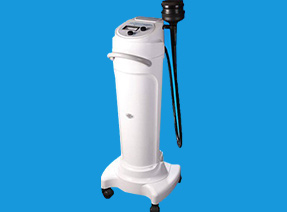
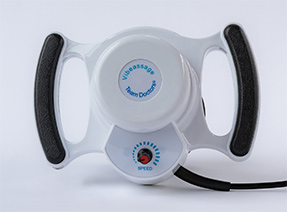
The Vibeassage Sport and the Vibeassage Pro featuring the TDX3 soft-as-the-hand Biomimetic Applicator Pad
https://www.teamdoctors.com
✓ Get Dr. Stoxen’s #1 International Bestselling Books
Learn how to understand, examine, and reverse your TOS—without surgery.
https://drstoxen.com/1-international-best-selling-author
✓ Check out Team Doctors Online Courses
Step-by-step video lessons, demonstrations, and self-treatment strategies.
https://teamdoctorsacademy.com
✓ Schedule a Free Phone Consultation With Dr. Stoxen
Speak directly with him so he can review your case and guide you on your next steps.
https://drstoxen.com/appointment
#ThoracicOutletSyndrome #TOS #NeckPain #ShoulderPain #ArmPain #NerveCompression #Posture #UpperBodyPain #ChestTightness #ScaleneTightness #PectoralisMinor #HumanSpring #TeamDoctors #DrStoxen #PainEducation #Inflammation #Ergonomics #BodyMechanics #SelfCare #HealthyPosture

Dr James Stoxen DC., FSSEMM (hon) He is the president of Team Doctors®, Treatment and Training Center Chicago, one of the most recognized treatment centers in the world.
Dr Stoxen is a #1 International Bestselling Author of the book, The Human Spring Approach to Thoracic Outlet Syndrome. He has lectured at more than 20 medical conferences on his Human Spring Approach to Thoracic Outlet Syndrome and asked to publish his research on this approach to treating thoracic outlet syndrome in over 30 peer review medical journals.
He has been asked to submit his other research on the human spring approach to treatment, training and prevention in over 150 peer review medical journals. He serves as the Editor-in-Chief, Journal of Orthopedic Science and Research, Executive Editor or the Journal of Trauma and Acute Care, Chief Editor, Advances in Orthopedics and Sports Medicine Journal and editorial board for over 35 peer review medical journals.
He is a much sought-after speaker. He has given over 1000 live presentations and lectured at over 70 medical conferences to over 50,000 doctors in more than 20 countries. He has been invited to speak at over 300 medical conferences which includes invitations as the keynote speaker at over 50 medical conferences.
After his groundbreaking lecture on the Integrated Spring-Mass Model at the World Congress of Sports and Exercise Medicine he was presented with an Honorary Fellowship Award by a member of the royal family, the Sultan of Pahang, for his distinguished research and contributions to the advancement of Sports and Exercise Medicine on an International level. He was inducted into the National Fitness Hall of Fame in 2008 and the Personal Trainers Hall of Fame in 2012.
Dr Stoxen has a big reputation in the entertainment industry working as a doctor for over 150 tours of elite entertainers, caring for over 1000 top celebrity entertainers and their handlers. Anthony Field or the popular children’s entertainment group, The Wiggles, wrote a book, How I Got My Wiggle Back detailing his struggles with chronic pain and clinical depression he struggled with for years. Dr Stoxen is proud to be able to assist him.
Full Bio) Dr Stoxen can be reached directly at teamdoctors@aol.com